Understanding AHJ Approval: How Equipment is Inspected in the U.S.
16 Dec 2025
Ensuring the Safety and Reliability of Electrical Installations
When installing electrical equipment in your facility, you'll inevitably encounter the term "Authority Having Jurisdiction" or AHJ. But what does this mean for your equipment being exported to the U.S., and how can you ensure the final installation passes inspection the first time?
Who Is the Authority Having Jurisdiction?
The AHJ is the organization, office, or individual responsible for enforcing code requirements and approving electrical equipment and installations. Depending on your location and facility type, your AHJ might be:
- A fire chief or fire marshal
- A building official or electrical inspector
- A commanding officer at a government installation
- A property owner or designated agent at a private facility
Understanding who your AHJ is, and what they're looking for, can save you significant time and money during the installation process.
The Two Key Terms: Listed and Approved
The National Electrical Code (NFPA 70) makes an important distinction between "listed" and "approved" equipment:
- Listed equipment has been evaluated by a recognized testing organization like Intertek, which conducts periodic inspections to ensure products continue meeting applicable safety standards. When you see an ETL Mark on equipment, you know it's been listed by an ANSI-accredited organization.
- Approved equipment is what the AHJ accepts for installation in their jurisdiction. Here's the critical point: just because equipment is listed doesn't automatically mean it's approved – the AHJ makes that final determination.
However, equipment bearing the ETL Mark from Intertek is widely recognized and accepted by AHJs throughout North America, making approval straightforward in most cases.
What Inspectors Actually Check
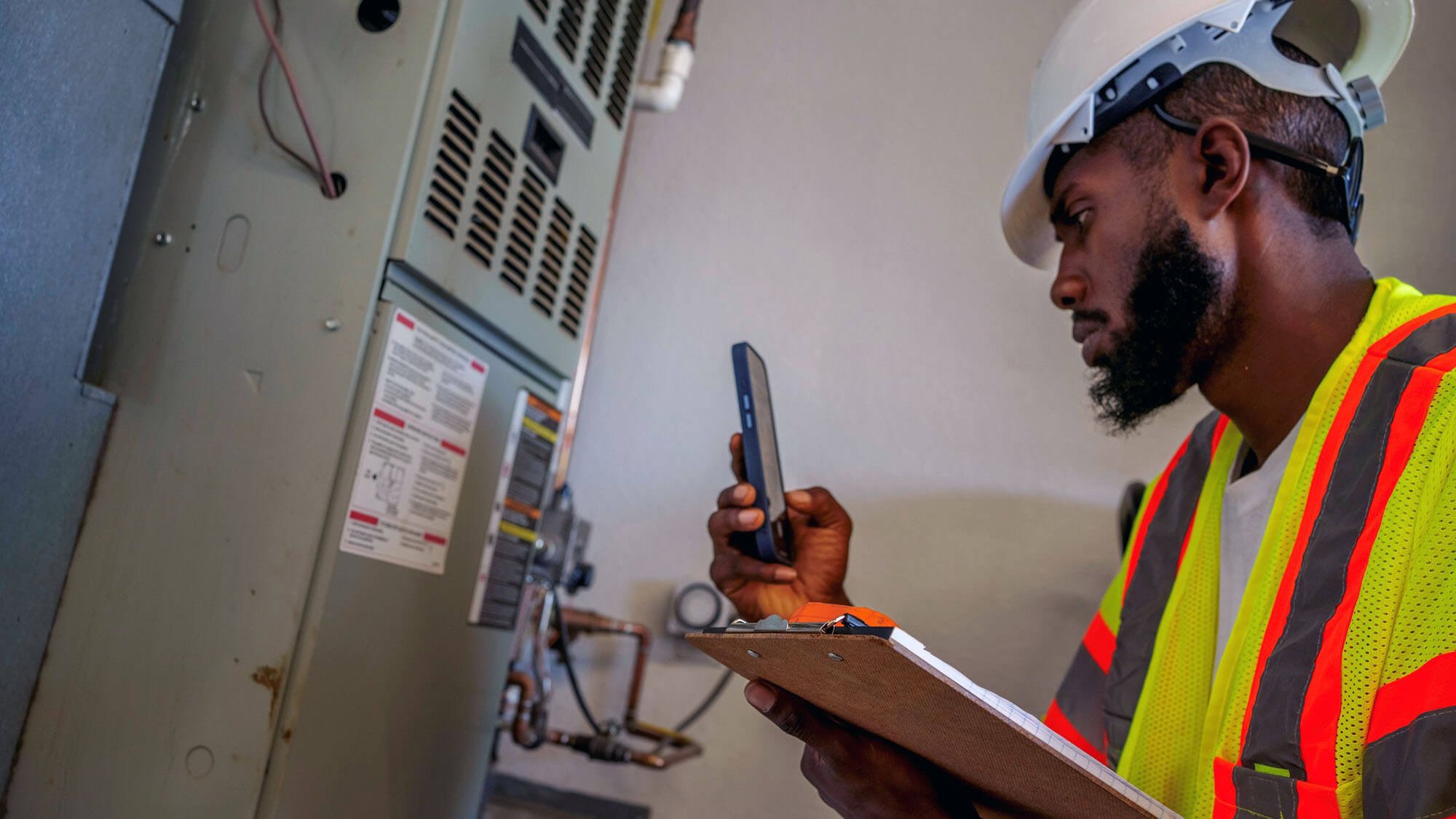
When an electrical inspector reviews your equipment installation, they are verifying several key elements. Let's use a real-world example: an industrial packaging machine being installed at a Houston manufacturing facility.
The inspector will look for:
- Complete Machine Listing The equipment should bear a recognized mark, such as the ETL Listed Mark, indicating it's been evaluated according to applicable product safety standards like NFPA 79 for industrial machinery.
- Proper Identification The listing mark must be visible on the machine nameplate, allowing the inspector to verify compliance through the certification body's directory of listed products.
- Installation Compliance This is where many installations face delays. The inspector checks that the machine is installed according to all applicable NFPA 70 articles, including:
- Sizing of upstream overcurrent protection
- Suitable access to control panels and the machine
- Proper grounding
Making Your Next Installation Smoother
To ensure your equipment passes inspection without delays:
- Purchase equipment with certification marks like ETL from Intertek
- Identify your AHJ early in the planning process
- Review installation requirements before equipment arrives
- Ensure proper field wiring and overcurrent protection sizing
- Provide adequate access to control panels and service areas
By understanding what AHJs look for and choosing properly certified equipment, you can confidently move forward with installations knowing your equipment meets the National Electrical Code requirements, regardless of which NEC edition your jurisdiction has adopted.
The bottom line? Working with recognized certification bodies like Intertek and understanding the AHJ approval process isn't just about passing inspection, it's about ensuring the safety and reliability of your electrical installations for years to come.

You may be interested in...

Authorities Having Jurisdiction (AHJ) Resources
As an AHJ you need to trust your partners. Find resources directories, qualified personnel, and how there is MORE to Intertek.

ETL Listed Mark | Product Certification
As a recognized NRTL, Intertek offers flexible and efficient product testing and certification pathways through our ETL Certification program and our ETL Listed Mark, designed to help manufacturers bring products to market faster.