
Carbon Monoxide Alarm Performance: Why Testing and Certification Matter
02 Nov 2026
Understanding the Standards, Technologies, and Performance Considerations behind Reliable CO Detection
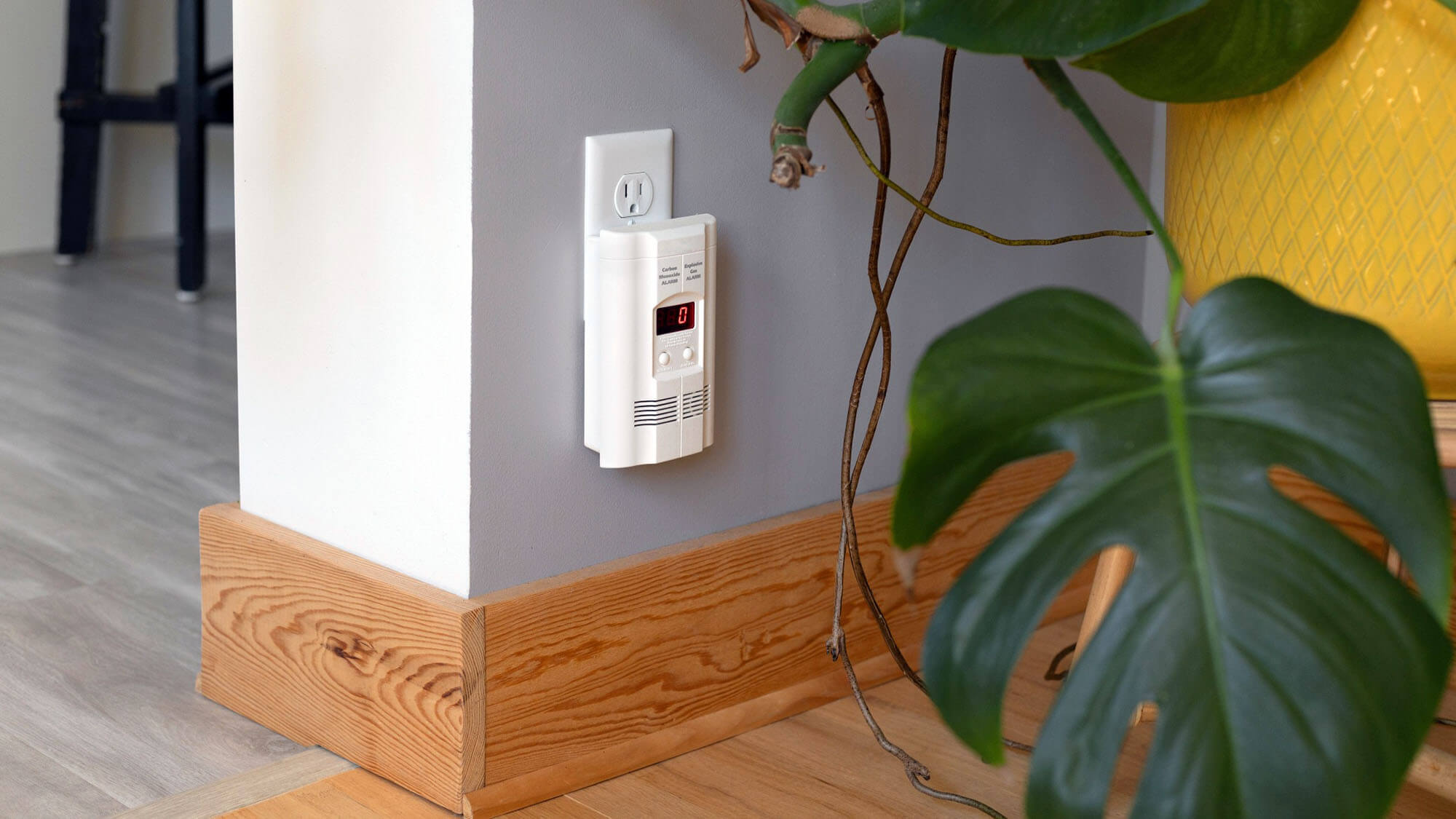
Each November, the National Carbon Monoxide Awareness Association (NCOAA) recognizes Carbon Monoxide Awareness Month, an important reminder of the risks associated with carbon monoxide (CO), but it is also an opportunity to look more closely at the technology designed to detect it. CO alarms are critical life safety devices. Their job is not simply to detect the presence of carbon monoxide, but to provide an appropriate warning when concentrations and exposure conditions present a potential hazard. Achieving that balance requires careful product design, rigorous performance testing, and independent evaluation against recognized safety standards.
CO Alarm Performance Is About More Than Detection
In the United States, ANSI/UL 2034, provides requirements for electrically operated CO alarms intended for ordinary indoor locations and certain unconditioned areas. The standard covers products designed to respond to CO from sources including internal-combustion engines, abnormally operating fuel-fired appliances and fireplaces.
One of the critical considerations in CO alarm design is balancing appropriate detection with resistance to unwanted alarms.
UL 2034 recognizes this distinction. Alarms covered by the standard are intended to respond before CO exposure results in the loss of a person's ability to react to the hazard. At the same time, they are not intended to alarm during certain long-term, low-level exposures or slightly elevated short-term transient conditions.
For manufacturers, achieving this performance requires evaluating more than the CO sensor itself. Testing may address areas including:
- CO concentration and alarm response time
- False or nuisance alarm resistance
- Repeatability of alarm performance
- Environmental and operating conditions
- Power and fault-monitoring functions
- Audible and visual notification
- Construction, markings and instructions
Considering the Complete CO Alarm System
A CO alarm must continue to perform beyond ideal laboratory conditions. The complete product design, rather than an individual sensor alone, becomes important when assessing compliance and reliability. For combination products, additional requirements may also apply. Combination smoke and CO alarms, for example, can be evaluated to both UL 217 for their smoke alarm function and UL 2034 for their CO alarm function.
As manufacturers add connected capabilities and other advanced functionality, maintaining dependable life safety performance remains fundamental. New features should be considered alongside the core detection, notification, and safety functions for which the product is intended.
The Emerging Role of Low-Level CO Detection
The industry is also seeing increased attention around low-level carbon monoxide detection. Understanding the distinction between low-level detection technology and conventional alarms is important. UL 2034 alarms are designed to address potentially dangerous exposure conditions and intentionally do not alarm during certain chronic low-level or short-duration transient exposures.
Low-level CO devices can provide an additional layer of information and early warning, including capabilities such as numerical parts-per-million readings or trend information. However, they are generally positioned as supplemental devices rather than replacements for conventional UL 2034-listed alarms. Intertek ETL's existing guidance on low-level CO technology makes this distinction an important part of product development and consumer education.
For manufacturers developing these technologies, clearly defining intended use, detection capabilities and product claims is essential to helping consumers, regulators and Authorities Having Jurisdiction understand what the product is designed to do.
Building Compliance into Product Development
Pre-compliance evaluations can help manufacturers identify potential concerns earlier in the development process, before formal certification testing. Intertek ETL's CO alarm services address areas including pre-compliance evaluation, certification testing, regulatory and market access support, and ongoing conformity.
For manufacturers, this lifecycle approach can help reduce the risk of late-stage compliance issues while supporting a more predictable path through certification and into the marketplace.
Advancing Confidence in CO Detection
As carbon monoxide detection technologies evolve, manufacturers must balance innovation with the fundamental requirement of reliable life safety performance.
Intertek ETL's Life Safety and Security experts support manufacturers with testing and certification services for carbon monoxide alarms and detection technologies. The ETL Listed Mark demonstrates that a product has been independently evaluated to applicable safety standards, supporting acceptance among regulators, code officials, retailers, distributors and specifiers throughout North America.
Carbon Monoxide Awareness Month provides an important opportunity to educate the public about CO safety. For the life safety industry, it also reinforces a deeper responsibility: ensuring that the products people rely on for protection are designed, tested and independently evaluated to perform when needed.

You may be interested in...
Alarms and Detectors Testing and Certification
We specialize in providing end-to-end solutions for alarms, detection devices, and other critical electrical safety equipment ensuring they meet the highest standards of performance, reliability, and compliance.